


The Intersection of Birth Control and Mental Health

When considering birth control, most people think about its role in preventing pregnancy or regulating menstrual cycles. However, the conversation often overlooks a significant aspect: the connection between birth control and mental health. For many, hormonal contraception impacts mood, anxiety levels, and overall emotional well-being. Understanding this intersection is crucial for making informed decisions about reproductive health.
How Birth Control Influences Mental Health
Birth control methods, especially hormonal ones like the pill, patch, or IUD, work by altering hormone levels in the body. These changes can affect not just physical health but also emotional and psychological states. While many people tolerate hormonal birth control without issues, some experience noticeable changes in mood, irritability, or even depressive symptoms.
Several studies have explored how hormonal contraception interacts with neurotransmitters like serotonin, which play a vital role in regulating mood. For example, some women report feeling more emotionally stable while using birth control, while others experience heightened sensitivity or emotional blunting. The effects are deeply personal and depend on factors like genetics, pre-existing mental health conditions, and the type of contraceptive used.
Potential Benefits for Mental Health
- Regulation of Mood Swings: Hormonal contraceptives can stabilize hormone fluctuations, potentially reducing mood swings related to the menstrual cycle.
- Alleviation of PMS Symptoms: Birth control pills are often prescribed to manage premenstrual syndrome (PMS) or premenstrual dysphoric disorder (PMDD), both of which can significantly affect mental health.
- Predictable Cycles: For those whose mental health is affected by irregular cycles, birth control can provide a sense of control and predictability.
Challenges to Mental Health
- Mood Changes: Some individuals report feelings of sadness or irritability after starting hormonal contraception.
- Increased Risk of Depression: A subset of users may experience depressive symptoms or a worsening of pre-existing depression.
- Emotional Blunting: Certain hormonal methods have been linked to a reduction in emotional responsiveness, which some users describe as “feeling numb.”
Birth Control and Anxiety: A Closer Look
Understanding the Connection Between Birth Control and Anxiety
For individuals prone to anxiety, hormonal birth control can be a double-edged sword. Some users find that regulating hormones helps stabilize their anxiety, particularly if it’s tied to hormonal fluctuations during the menstrual cycle. However, others notice an increase in anxious thoughts or feelings.
Factors Contributing to Increased Anxiety
- Hormonal Sensitivity: Certain individuals are more sensitive to hormonal changes, which can exacerbate anxiety symptoms.
- External Stressors: Starting a new contraceptive method can coincide with life changes, which might amplify feelings of anxiety.
- Side Effects and Uncertainty: Concerns about potential side effects may also contribute to a heightened sense of worry.
If you notice increased anxiety after starting a new birth control method, it’s essential to consult a healthcare provider. Adjusting the dosage, switching to a different type of contraception, or exploring non-hormonal options might help alleviate symptoms.
Exploring Alternatives and Personalized Solutions
Finding the right balance between effective contraception and mental health support often requires a personalized approach. What works for one person may not work for another. Below are some steps to consider:
- Track Your Symptoms: Keep a journal to note any changes in mood, anxiety, or overall mental health after starting a new birth control method.
- Discuss Options with Your Healthcare Provider: Open communication is vital. Share your concerns and ask about alternative methods if needed.
- Consider Non-Hormonal Options: If hormonal birth control significantly impacts your mental health, options like copper IUDs, diaphragms, or condoms may be worth exploring.
- Seek Mental Health Support: A therapist or counselor can provide strategies to manage mood changes or anxiety, whether or not they are related to birth control.
The Role of Ongoing Research
While the connection between birth control and mental health is gaining more attention, much remains to be studied. Researchers are working to better understand the nuanced effects of hormonal contraceptives on the brain and emotional well-being. As awareness grows, healthcare providers are becoming more equipped to guide individuals in selecting the best contraception for their unique needs.
Prioritizing Both Reproductive and Mental Health
The intersection of birth control and mental health highlights the importance of a holistic approach to reproductive healthcare. While birth control offers invaluable benefits for preventing pregnancy and managing menstrual cycles, its potential impact on emotional well-being cannot be overlooked. By understanding these effects and maintaining open communication with healthcare providers, individuals can make empowered choices that prioritize both their physical and mental health.
For those navigating concerns like birth control and anxiety, resources and support are available. Whether it’s switching methods, exploring alternatives, or seeking mental health care, the goal is to find a solution that aligns with your overall well-being. Remember, your mental health matters just as much as your physical health—and you deserve care that supports both.
Please note that none of the information on this website is medical advice and you should contact a health care professional if you have any concerns about pregnancy or birth control.


Latest posts

Is Getting the Birth Control Patch Right for You?
What is the Birth Control Patch? If you are looking to prevent unwanted pregnanciesRead Article

There are several things good sex should leave you with; a burning vagina is not one of them.
Imagine. You’re lying in bed, legs intertwined with your significant other’s. You are gigglingRead Article


The Science Behind the Birth Control Pill: How Does It Work?
How does the birth control pill work? This is one of the most commonRead Article

Birth Control and Libido: What’s the Connection?
For many people, birth control is a vital part of managing reproductive health, butRead Article
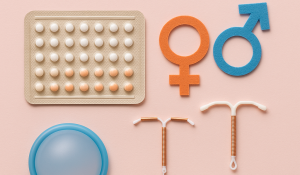
How Effective Is Birth Control? Understanding Your Options
When it comes to preventing pregnancy, one of the first questions people ask is:Read Article
What Is Vienva Birth Control? A Complete Guide to Uses, Benefits, and Side Effects
When it comes to choosing a contraceptive, many people look for a solution that’sRead Article

Does Birth Control Expire? Understanding Its Effectiveness
“Does birth control expire?” is a critical question you may have if you’re managingRead Article
The Future of Over-the-Counter Birth Control
The landscape of reproductive healthcare is shifting dramatically, and over-the-counter birth control is atRead Article
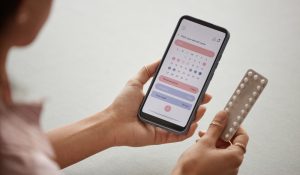
The Role of Technology in Modern Contraception: Exploring the Birth Control App
In today’s fast-paced digital age, the intersection of technology and healthcare has revolutionized howRead Article

The Intersection of Birth Control and Mental Health
When considering birth control, most people think about its role in preventing pregnancy orRead Article

Male Contraception: Emerging Options and Research
For decades, contraception has been predominantly focused on women. However, the development of maleRead Article

The Rise of Non-Hormonal Birth Control Methods: An In-Depth Look
Overview Non-Hormonal Birth Control is Gaining Popularity: Many individuals are opting for non-hormonal birthRead Article
How Long Does Sperm Live in Condoms?
When it comes to contraception, understanding the lifespan of sperm is essential. One commonRead Article
What Kills Sperm in the Female Body? Understanding Natural and Medical Barriers to Fertilization
When it comes to preventing pregnancy, understanding what kills sperm in the female bodyRead Article

