


How Effective Is Birth Control? Understanding Your Options

When it comes to preventing pregnancy, one of the first questions people ask is: how effective is birth control? With so many options available, understanding how well each method works is essential for making an informed decision. Whether you’re exploring hormonal pills, IUDs, condoms, or emergency contraception, knowing the stats and real-life effectiveness can help you choose the best fit for your lifestyle and needs.
Types of Birth Control and Their Effectiveness Rates
Different methods of birth control offer varying levels of protection against pregnancy. Here’s a breakdown:
- Birth Control Pills: About 91% effective with typical use. Daily adherence is key.
- Intrauterine Devices (IUDs): Over 99% effective. Long-lasting and maintenance-free once inserted.
- Condoms: Around 85% effective with typical use. Also protect against STIs.
- Implants and Injections: Both methods boast over 94% effectiveness.
- Emergency Contraception: Most effective when taken within 72 hours. Reduces risk by up to 89%.
In perfect use scenarios, many methods approach 99% effectiveness. However, real-life use often includes human error, which can lower success rates.
Can You Get Pregnant on Birth Control?
Yes, you can get pregnant on birth control, although the likelihood depends on the method and how consistently it’s used. For example, missing pills, delayed injections, or incorrect condom use can all lead to unintended pregnancies.
Some key reasons for birth control failure include:
- Forgetting to take pills or replace patches/rings
- Incorrect condom use or breakage
- Medications that interfere with hormonal birth control
- Expired or improperly stored products
While the risk is low, it’s not zero. That’s why it’s important to understand how each method works and follow usage instructions carefully. For those looking for peace of mind, combining methods (like using condoms with hormonal birth control) can offer an added layer of protection.
Factors That Impact Birth Control Effectiveness
Several personal and external factors can influence how effective your birth control is:
- Consistency and Correct Use: Adhering to schedules and guidelines is crucial.
- Individual Health Factors: Weight, age, and medical conditions can alter effectiveness.
- Drug Interactions: Some antibiotics and seizure medications can interfere with hormonal methods.
Always consult a healthcare provider to ensure you’re using the method that’s best suited for your health profile.
So, How Effective Is Birth Control?
To sum it up, how effective is birth control? Very, especially when used correctly. The most reliable methods like IUDs and implants offer more than 99% protection. However, no method is foolproof, and understanding potential risks is part of responsible sexual health.
If you’re exploring birth control options, talk to a medical professional to find a method that aligns with your lifestyle. For more detailed comparisons and real-world tips, visit BirthControl.com, your trusted resource for all things contraception.


Latest posts

Is Getting the Birth Control Patch Right for You?
What is the Birth Control Patch? If you are looking to prevent unwanted pregnanciesRead Article

There are several things good sex should leave you with; a burning vagina is not one of them.
Imagine. You’re lying in bed, legs intertwined with your significant other’s. You are gigglingRead Article


The Science Behind the Birth Control Pill: How Does It Work?
How does the birth control pill work? This is one of the most commonRead Article

Birth Control and Libido: What’s the Connection?
For many people, birth control is a vital part of managing reproductive health, butRead Article
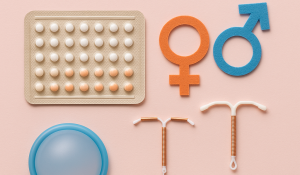
How Effective Is Birth Control? Understanding Your Options
When it comes to preventing pregnancy, one of the first questions people ask is:Read Article
What Is Vienva Birth Control? A Complete Guide to Uses, Benefits, and Side Effects
When it comes to choosing a contraceptive, many people look for a solution that’sRead Article
Does Birth Control Expire? Understanding Its Effectiveness
“Does birth control expire?” is a critical question you may have if you’re managingRead Article
The Future of Over-the-Counter Birth Control
The landscape of reproductive healthcare is shifting dramatically, and over-the-counter birth control is atRead Article

The Role of Technology in Modern Contraception: Exploring the Birth Control App
In today’s fast-paced digital age, the intersection of technology and healthcare has revolutionized howRead Article

The Intersection of Birth Control and Mental Health
When considering birth control, most people think about its role in preventing pregnancy orRead Article

Male Contraception: Emerging Options and Research
For decades, contraception has been predominantly focused on women. However, the development of maleRead Article

The Rise of Non-Hormonal Birth Control Methods: An In-Depth Look
Overview Non-Hormonal Birth Control is Gaining Popularity: Many individuals are opting for non-hormonal birthRead Article

How Long Does Sperm Live in Condoms?
When it comes to contraception, understanding the lifespan of sperm is essential. One commonRead Article

What Kills Sperm in the Female Body? Understanding Natural and Medical Barriers to Fertilization
When it comes to preventing pregnancy, understanding what kills sperm in the female bodyRead Article

