


What Kills Sperm in the Female Body? Understanding Natural and Medical Barriers to Fertilization
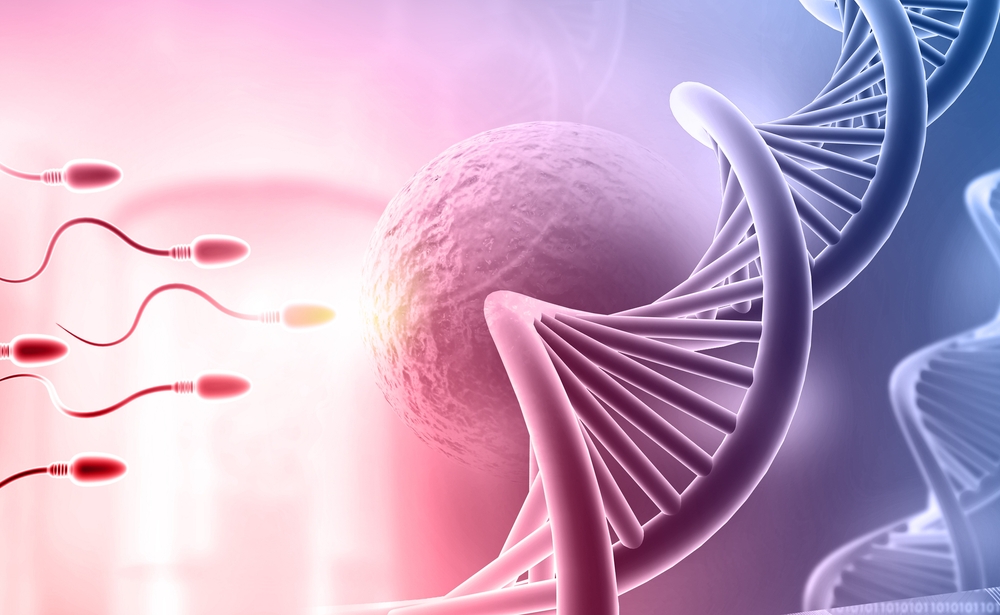
When it comes to preventing pregnancy, understanding what kills sperm in the female body is essential for those seeking family planning or contraception options. Various factors contribute to sperm’s journey within the female reproductive system, from biological barriers to specific contraceptive methods designed to inhibit sperm viability. This article delves into these factors, explaining how the female body and external methods like spermicides act to kill or neutralize sperm.
The Journey of Sperm: A Complex Path in the Female Body
Before we explore what kills sperm in the female body, it’s crucial to understand the incredible journey sperm takes after ejaculation. Millions of sperm are released into the vaginal canal during intercourse, but only a small fraction of them make it past the cervix. The acidic environment of the vagina, the cervical mucus, and the immune response within the female body all play a role in determining whether sperm will survive long enough to reach and fertilize an egg.
Natural Defenses: The Vagina’s Acidic Environment
One of the primary natural barriers that kills sperm in the female body is the acidic environment of the vagina. The vagina has a naturally low pH level, usually between 3.8 and 4.5, which helps protect against infections but also creates a hostile environment for sperm. Most sperm can only survive a few hours in such conditions. This acidity is one of the first lines of defense the female body uses to prevent sperm from progressing further into the reproductive system.
The Cervical Mucus Barrier
Cervical mucus acts as both a barrier and a gatekeeper. During most of a woman’s cycle, the mucus is thick and impenetrable, which makes it challenging for sperm to pass through. However, during ovulation, the mucus thins and becomes more slippery, allowing sperm to swim through more easily. Even so, not all sperm make it through this gateway. Immune cells in the mucus can attack and kill sperm as part of the body’s natural defense mechanisms.
The Immune Response in the Uterus
Once sperm reaches the uterus, the female body’s immune system recognizes it as foreign. White blood cells are dispatched to attack and eliminate sperm cells that have made it this far. This immune response is another natural way the female body kills sperm, ensuring only the healthiest and strongest sperm may proceed toward fertilization.
How Spermicide Kills Sperm: A Contraceptive Solution
For those looking to enhance the body’s natural defenses or use additional methods to kill sperm, spermicides offer an effective solution.
How Effective is Spermicide?
Spermicides are a widely used contraceptive that contains chemicals specifically designed to immobilize or kill sperm. Available in gels, foams, creams, films, and suppositories, spermicides work by disrupting the sperm cell membrane, rendering the sperm immobile and unable to reach the egg. However, the effectiveness of spermicide as a sole contraceptive method is a key consideration.
Spermicides, when used alone, are about 72-82% effective at preventing pregnancy, meaning that about 18-28 out of every 100 women using spermicide alone may become pregnant in a year. Combining spermicide with barrier methods such as condoms significantly boosts its effectiveness. This combination approach not only helps kill sperm but also creates a physical barrier, offering a higher level of protection.
Spermicide can be an attractive option for people looking for non-hormonal contraceptives, though it’s important to understand its limits. It works best when used consistently and correctly with every act of intercourse.
Additional Factors That Can Kill Sperm in the Female Body
Beyond the natural barriers and spermicides, several other factors can influence sperm survival and ultimately prevent pregnancy.
Hormonal Contraceptives
While not directly killing sperm, hormonal contraceptives like birth control pills, patches, and intrauterine devices (IUDs) work by altering the cervical mucus, making it more difficult for sperm to pass through. They also prevent ovulation, ensuring that even if sperm survive, there’s no egg to fertilize.
IUDs and Copper’s Role
Certain types of intrauterine devices, such as the copper IUD, create an inhospitable environment for sperm. Copper is toxic to sperm, killing them on contact. The copper IUD is one of the most effective forms of contraception available, with a success rate of over 99%. The copper works both by killing sperm and by disrupting the normal process of fertilization.
Lifestyle and Environmental Factors
While contraceptive methods are the primary focus of sperm-killing strategies, lifestyle and environmental factors can also play a role. For example, heat is known to reduce sperm viability. Frequent use of hot tubs or exposure to high temperatures, such as from tight clothing, can decrease sperm survival rates. Additionally, certain substances, such as lubricants not specifically designed for fertility purposes, can create an environment that kills or inhibits sperm.
Best Practices for Sperm Survival and Contraception
If avoiding pregnancy is the goal, understanding how different factors kill sperm is crucial for selecting the right contraceptive strategy. Natural defenses like the vaginal pH, cervical mucus, and immune responses are strong barriers, but they aren’t foolproof. Adding spermicide or using devices like the copper IUD offers significantly greater protection.
For those looking for maximum effectiveness, combining methods such as spermicide with condoms or hormonal birth control methods ensures a much higher success rate in preventing pregnancy.
Understanding What Kills Sperm in the Female Body
In conclusion, several factors play a role in killing sperm in the female body, from natural biological defenses like vaginal acidity and the immune response to contraceptive methods such as spermicide and IUDs. Each of these mechanisms contributes to preventing sperm from fertilizing an egg, offering individuals various options for birth control based on their preferences and needs.
For more in-depth information about contraceptive options, you can visit our sections on hormonal birth control methods, where you’ll find a range of options and detailed insights on how each works.
For authoritative guidance on contraception, refer to reputable sources such as the CDC’s Birth Control Guide or the Mayo Clinic’s overview of contraceptive methods.


Latest posts

Is Getting the Birth Control Patch Right for You?
What is the Birth Control Patch? If you are looking to prevent unwanted pregnanciesRead Article

There are several things good sex should leave you with; a burning vagina is not one of them.
Imagine. You’re lying in bed, legs intertwined with your significant other’s. You are gigglingRead Article


The Science Behind the Birth Control Pill: How Does It Work?
How does the birth control pill work? This is one of the most commonRead Article

Birth Control and Libido: What’s the Connection?
For many people, birth control is a vital part of managing reproductive health, butRead Article
How Effective Is Birth Control? Understanding Your Options
When it comes to preventing pregnancy, one of the first questions people ask is:Read Article

What Is Vienva Birth Control? A Complete Guide to Uses, Benefits, and Side Effects
When it comes to choosing a contraceptive, many people look for a solution that’sRead Article

Does Birth Control Expire? Understanding Its Effectiveness
“Does birth control expire?” is a critical question you may have if you’re managingRead Article

The Future of Over-the-Counter Birth Control
The landscape of reproductive healthcare is shifting dramatically, and over-the-counter birth control is atRead Article

The Role of Technology in Modern Contraception: Exploring the Birth Control App
In today’s fast-paced digital age, the intersection of technology and healthcare has revolutionized howRead Article

The Intersection of Birth Control and Mental Health
When considering birth control, most people think about its role in preventing pregnancy orRead Article

Male Contraception: Emerging Options and Research
For decades, contraception has been predominantly focused on women. However, the development of maleRead Article

The Rise of Non-Hormonal Birth Control Methods: An In-Depth Look
Overview Non-Hormonal Birth Control is Gaining Popularity: Many individuals are opting for non-hormonal birthRead Article

How Long Does Sperm Live in Condoms?
When it comes to contraception, understanding the lifespan of sperm is essential. One commonRead Article
What Kills Sperm in the Female Body? Understanding Natural and Medical Barriers to Fertilization
When it comes to preventing pregnancy, understanding what kills sperm in the female bodyRead Article

